




How can we support you?
contact us to enquire any of our pieces,or to take first step in collaborating with us to create your metal masterpiece.
Send Email
We would welcome the opportunity to connect with you
Project Background
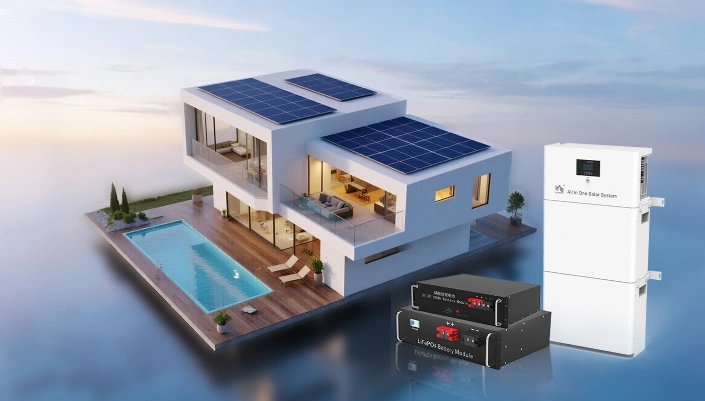
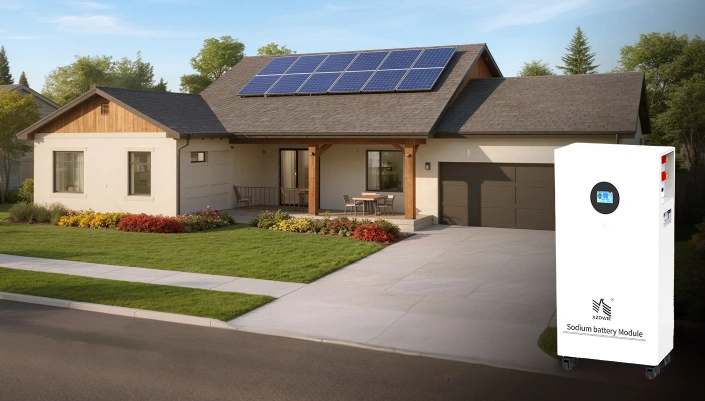
A homeowner in Guangdong Province, sought a sustainable and independent energy solution for his 2-story family house. Faced with rising electricity bills, frequent grid fluctuations, and a desire to embrace clean energy, Mr. Zhang approached our team to design and implement a complete solar + energy storage system. The goal was to reduce grid reliance, lower electricity costs, and ensure uninterrupted power supply, even during outages or peak consumption periods.
Customer Objectives
- Utilize rooftop solar energy for daily household power
- Store excess solar energy for nighttime and backup use
- Minimize electricity costs, especially during peak tariff hours
- Ensure backup power during blackouts
- Monitor system performance in real-time via smartphone
System Configuration
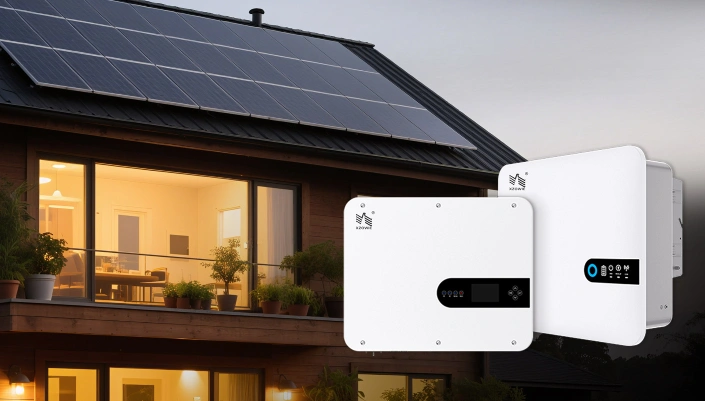
The rooftop offered excellent sun exposure, enabling optimal panel placement to maximize generation. The inverter was configured to seamlessly switch to battery backup during grid failure.
| Component | Specification |
| Solar Panels | 8 kW monocrystalline PV modules |
| Battery Storage | 15 kWh LiFePO₄ (lithium iron phosphate) battery bank |
| Inverter System | 6 kW hybrid inverter (grid + off-grid) |
| Mounting Structure | Aluminum rooftop racking |
| Monitoring Platform | Cloud-based mobile & desktop app |
| Energy Management System | Smart load prioritization |
Performance & Results
The system also included prioritized load circuits to support essential appliances such as lighting, refrigerator, Wi-Fi router, and CCTV system in the event of a blackout. During a recent typhoon-induced outage, Mr. Zhang’s household remained fully powered for 7 hours with no disruption to daily life.
- Average Daily Solar Generation 30–35 kWh
- Average Daily Energy Consumption 25–28 kWh
- Self-Consumption Rate Over 85%
- Estimated Monthly Savings ~$800–$1,200
- Return on Investment ~4.2 years
- Carbon Emissions Offset Approx. 9 tons/year
Benefits Observed
- Significantly reduced electricity bills year-round
- Enhanced energy independence and reliability
- Automatic switch to battery backup during outages
- Clean, renewable power generation supporting a low-carbon lifestyle
- Real-time insights into energy flow and battery levels through the mobile app


